American Alligators in the Florida Everglades
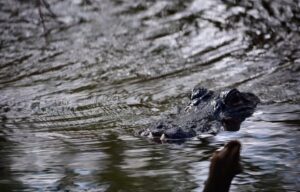
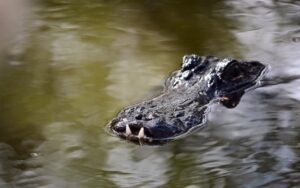
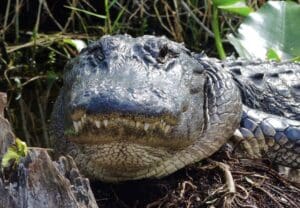
The American alligator is one of the most iconic and important species in the Florida Everglades and a powerful symbol of this unique wetland ecosystem. On our Everglades River of Grass Adventures, guests frequently ask about their habitat, behavior, and how such a large reptile fits into the delicate balance of the River of Grass. Understanding their story and respecting their ecosystem role turns a simple sighting into a deeper connection with the Everglades.
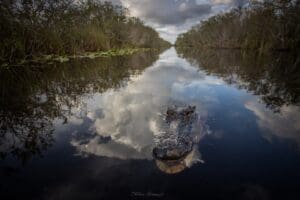

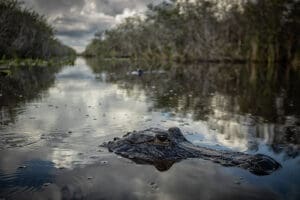
Photo courtesy of Nature Photographer: Ottavio Giannella
Habitat: Where American Alligators Live
American alligators primarily inhabit freshwater environments—marshes, swamps, sloughs, rivers, ponds, and lakes—across Florida and the broader Everglades system. They also use urban canals and, at times, brackish areas, as long as there is enough freshwater and food. A common Floridian saying goes “If you stick your finger in it and it’s wet, there’s probably an alligator in it.”
In the Everglades, one of the most important features they create is the “alligator hole,” also called a “gator hole.” During the dry season, alligators excavate depressions in the marl and peat soil of the Everglades, which during dry periods hold water longer than the surrounding habitats. These pockets of water become refuges for fish, turtles, invertebrates, and wading birds when water levels drop, concentrating wildlife and offering incredible viewing opportunities for visitors.
Nesting, Eggs, and Temperature-Dependent Sex
Alligator nesting season in Florida typically begins in late spring and early summer. Female alligators build mound nests from mud, sticks, and vegetation along the water’s edge. As the plant material decomposes, it generates heat that helps incubate the eggs.
A single clutch usually contains about 20–50 eggs, and incubation generally lasts around 60–70 days before hatchlings emerge. Alligators use temperature-dependent sex determination, meaning nest temperature helps determine whether hatchlings are male or female. Warmer incubation temperatures during a critical part of development tend to produce more males, while cooler temperatures tend to produce more females.
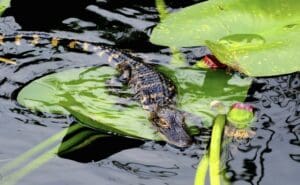
Female alligators are attentive mothers. They guard the nest from predators and respond to the calls of hatchlings as they prepare to break out of their shells. Once the young begin to hatch, the mother often gently carries them in her mouth from the nest to the water and protects them in nursery areas nearby for weeks to months.
Behavior and Daily Life
American alligators are opportunistic carnivores. They feed on fish, turtles, birds, snakes, crustaceans, and small mammals, depending on what is most available in a given habitat. They rely on stealth, powerful jaws, and an explosive lunge from the water’s surface to capture prey.
Most feeding activity happens at night or during low-light periods, while daytime is often spent basking or resting quietly in the water. Like other reptiles, alligators regulate their body temperature by moving between sun and shade or deeper and shallower water. In cooler weather, they become much less active and may spend long periods resting in the water or along the bank in the sun.
Despite their impressive size and strength, wild alligators generally avoid people. Unprovoked attacks remain rare when humans respect distance, obey posted guidelines, and never feed alligators. On our tours, we emphasize safe, respectful viewing so guests can appreciate these animals without disturbing their natural behavior.
Males vs. Females: Size and Behavior
There are clear differences between male and female alligators, especially when they reach adulthood. Adult males can grow to around 12–15 feet in length and weigh several hundred pounds, while females typically reach 8–10 feet and have a more slender build. The largest solitary alligators you see basking in open water or guarding prime spots are often dominant males.
During the breeding season, males become more territorial and use deep, low-frequency bellows and impressive “water dance” displays to attract females and warn other males. Females, on the other hand, invest most of their energy into nest building, egg care, and hatchling protection. They tend to stay closer to nesting and nursery areas and avoid unnecessary conflict, focusing on the survival of their young.
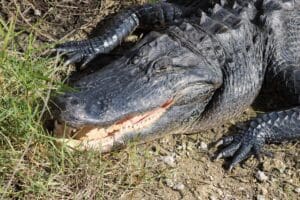
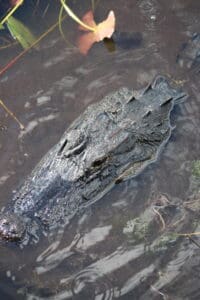
Photo courtesy of Nature Photographer: Wild Florida Cracker
Ecosystem Importance: A Keystone Species
The American alligator is considered a keystone species in the Florida Everglades, meaning it has an outsized impact on the ecosystem relative to its abundance. Alligator holes maintain water during dry periods, creating critical refuges for fish, amphibians, invertebrates, and other wildlife. These refuges support wading birds and many other species that depend on concentrated food sources when water levels are low.
As top predators, alligators help control populations of prey species, contributing to balance across multiple food webs. Their nesting and basking activities can also slightly disturb and elevate surrounding soil, creating microhabitats that influence plant and small invertebrate communities. Without alligators, large portions of the Everglades would lose these important structures and refuges, reducing biodiversity and resilience, especially during drought.
Experiencing Alligators with Everglades River of Grass Adventures
When guests join Everglades River of Grass Adventures, seeing an American alligator in its natural habitat becomes more than just a thrilling wildlife encounter. It’s a chance to meet a keystone species that helps hold the Everglades together, safely in the wild. Our native Gladesmen captains will guide you to see alligators in their natural habitat, making your safety the top priority while always respecting these incredible animals and the surrounding wildlife. Our goal is to give visitors a deeper understanding of the Everglades, so they leave with unforgettable memories and a stronger appreciation for protecting this remarkable ecosystem for generations to come.