Gladesmen of the Florida Everglades: History, Culture, and Conservation
The Florida Everglades has always been more than a wilderness. For generations of south Floridians; it has been a home, classroom, workplace, and way of life. Men, women, children, and families have built their lives around the rhythms of the Everglades River of Grass. Their story is one of culture, tradition, independence, deep environmental knowledge, and a lasting connection to one of the most unique ecosystems and habitats in the world. This is the heritage of The Gladesmen.
Today, the term “Gladesman” still carries meaning. It reflects a relationship with the land, respect for its God-created rhythms, and a way of life in the Everglades built on ingenuity, self-sufficiency, adaptability, and conservation.
The History of the Gladesmen
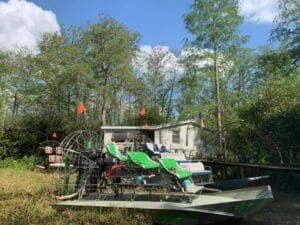
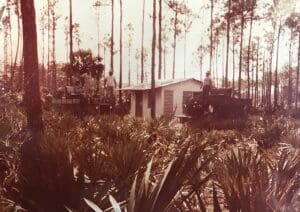
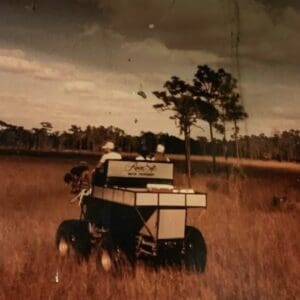
The roots of Gladesmen culture go back well over a century in South Florida, especially in the remote stretches of the Everglades, Big Cypress, the Ten Thousand Islands, and the surrounding wetlands. Early Gladesmen were pioneer settlers who lived close to the land and depended on hunting, fishing, trapping, and small-scale trade to survive. Over time, Gladesmen became known for inventing and adapting tools to fit the environment. They moved through the backcountry by skiff, in homemade wheel buggies and cypress buggies, and by airboat; setting up temporary and permanent camps in some of the most isolated places in America’s wilderness.
These were people who knew how to read the landscape. They understood water levels, animal behavior, tracks, weather patterns, and the seasonal changes that shaped life in the south Florida swampy woods. Their knowledge was practical and valuable, earned through grit and experience, and passed down from one generation to the next. Their lifestyle was not built around convenience — it was built around making a living in one of the toughest environments in North America.
What Gladesmen Culture Means
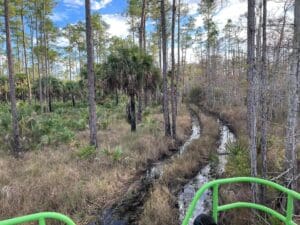
Gladesmen culture is deeply tied to the land and water of South Florida. At its heart, it is about self-reliance, family, stewardship, and living close enough to nature to truly understand it. The Everglades was not just a place to visit; it was a place that shaped how people lived, worked, ate, traveled, and survived.
That culture included a strong sense of community. Families relied on one another, shared skills, and often passed down traditions through stories, camp life, fishing trips, and time spent outdoors. Food was also part of the culture — much of it came from the land and water, creating a “woods and water-to-table” way of life that was both respected and deeply cherished.
Even as the landscape changed and development expanded, Gladesmen culture continued to represent a distinct South Florida identity. It is a heritage rooted in hard work, independence, and an intimate understanding of the Everglades ecosystem – standing alongside Native American cultures as the core of this region’s history and identity.
Defining a Gladesman
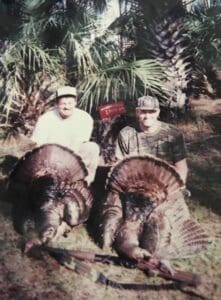
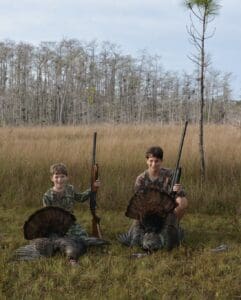
A Gladesman is someone who has a real relationship with the Everglades — not just admiration from a distance, but lived experience in the marshes, sloughs, cypress strands, pine islands, hammocks, and even mangroves of the region. Traditionally, that meant people who could survive, work, and move through the land with confidence because they knew it so well.
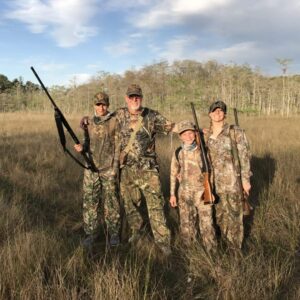
The word also includes women who have grown up in the same tradition and continue to carry that heritage forward. Glades-women have always played an important role in family life, land knowledge, storytelling, and the preservation of this culture. The Gladesmen story is a story of family.
Generations of Gladesmen
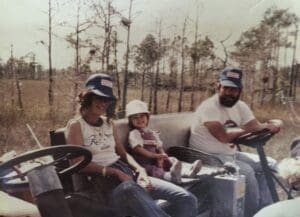
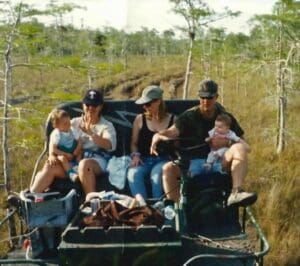
One of the most powerful things about Gladesmen culture is that it spans generations. Some families can trace their roots in South Florida back many decades, even before the Everglades was designated as a national park. Their connection to the land was formed long before paved roads and modern development changed the region.
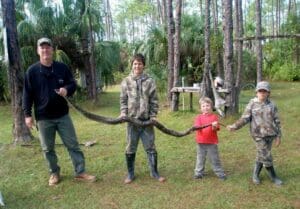
For many of these families, the Everglades was not an escape from daily life — it was daily life. Children learned by watching their parents and grandparents fish, hunt, camp, pole skiffs, and navigate the backcountry on an airboat or swamp buggy. This kind of inherited knowledge created a deep cultural identity and tradition that still matters today.
The Gladesman Spirit Today
Gladesmen and women continue to carry this heritage forward in different ways. Some still live near or around the Everglades. Others share the culture through guiding, storytelling, conservation, hunting traditions, outdoor education, and ecotourism.
The story of the Gladesmen and Gladeswomen is part of the greater story of South Florida — a story of resilience, tradition, and respect for the land.
When you ride with us through the River of Grass, you’re not just exploring a beautiful ecosystem — you’re experiencing a living heritage shaped by generations who learned to honor, protect, and live in balance with the Everglades. This is more than a scenic adventure; it is a chance to connect with the culture, history, and conservation values that continue to define this extraordinary landscape. We invite you to experience the Everglades with us and discover why protecting it matters now more than ever.
How you see the Everglades matters!